
Earlier this month, we kicked off the FIA conference season at the Asset Management Derivatives Forum in Austin. This meeting has been a strong partnership between FIA and SIFMA AMG in bringing the buyside and sellside together for important discussions on topics that matter to all of us. To help frame many of those discussions, I shared five trends to help us think through a few issues ahead of us.
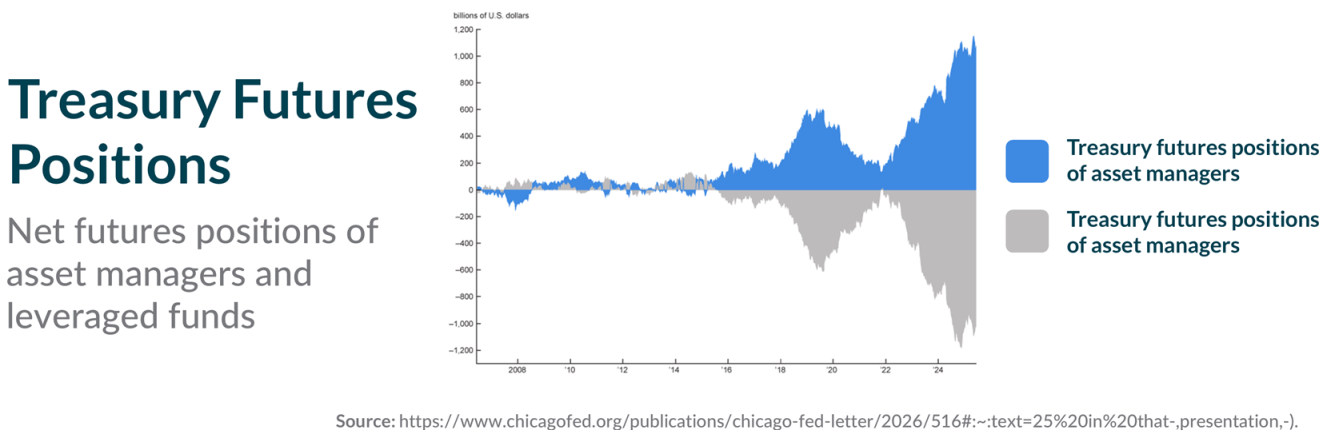
The growth of the US Treasury basis trade, as published by the Chicago Federal Reserve, continues at a remarkable pace. Market regulators and central bankers closely monitor this leveraged trading strategy due to its sheer size, which measures in the trillions of dollars. The growth of this trade, in some ways, is not surprising given the notional size of our public debt. But an unwinding of this trade could have systemic impacts, and regulators have started to take notice.
This matters because the financial industry is making significant market structure reforms in the cash US Treasury and repo markets with the Securities and Exchange Commission’s clearing mandate. As we move forward with the mandate this year and next, we must ensure that these structural changes do not cause liquidity shocks that impact the underlying debt markets and this leveraged trading strategy.
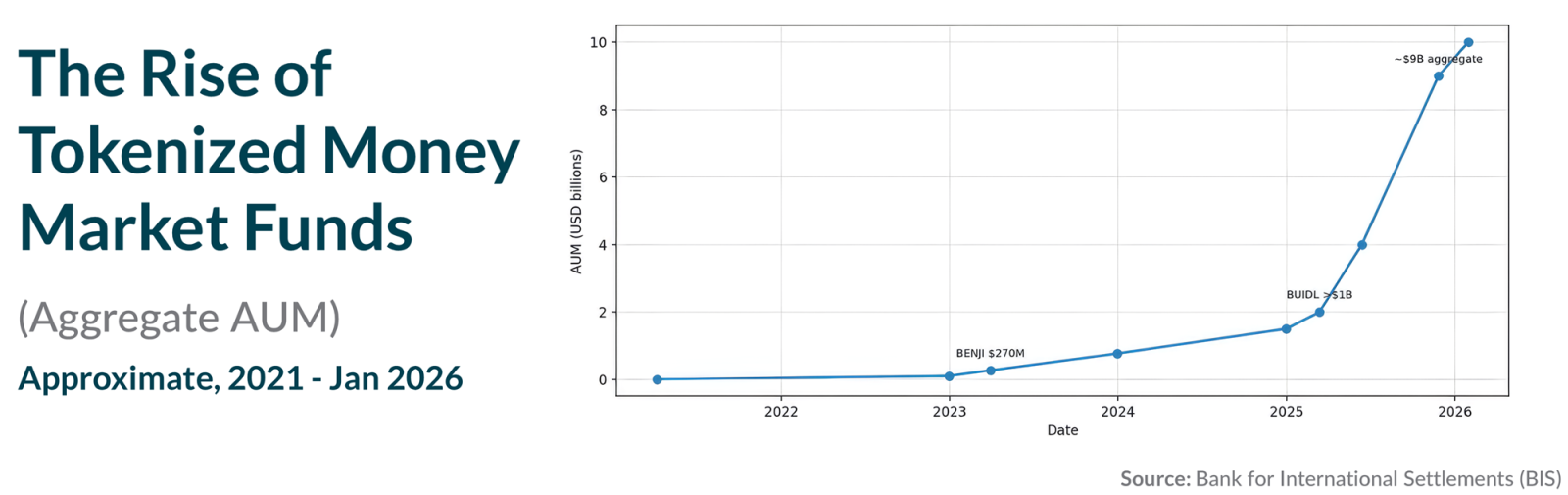
The tokenization of collateral demonstrates another mega trend. At FIA, we came out last summer to say that the tokenization of assets had reached an inflection point. This chart certainly makes that case. The amount of tokenized money market funds is now in excess of $9 billion!
Importantly, this matters because the growth of these funds demonstrates the power and potential of blockchain technology. Tokenized assets have the promise to revolutionize post-trade collateral management. As technology opens access to our markets like never before, the payment rails and the products that sit on them must be modernized.
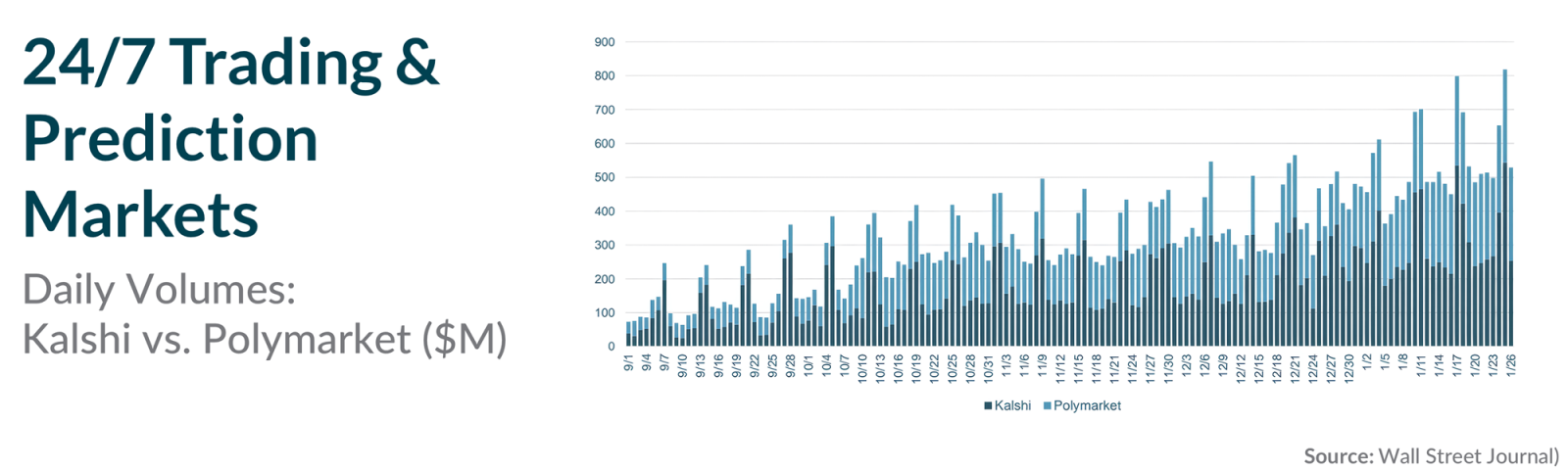
And while we all have felt the incredible pace of change in our markets, I did not have sports betting on futures exchanges on my bingo card one year ago. As this chart shows, the top two prediction markets, Kalshi and Polymarket, have an incredible amount of money flowing through them.
And here's the interesting bit – you’ll notice volume spikes on weekends, with Sunday representing the biggest day of the week. If you attended or hosted a Super Bowl party earlier this month, you can appreciate that NFL football is king and driving this explosive growth.
This matters because prediction markets are the tip of the spear of the retail trade. The average American wants access to these markets on evenings, weekends and holidays. This is the reality we face. And we need to start thinking about what it will take to move the traditional markets into this new world.
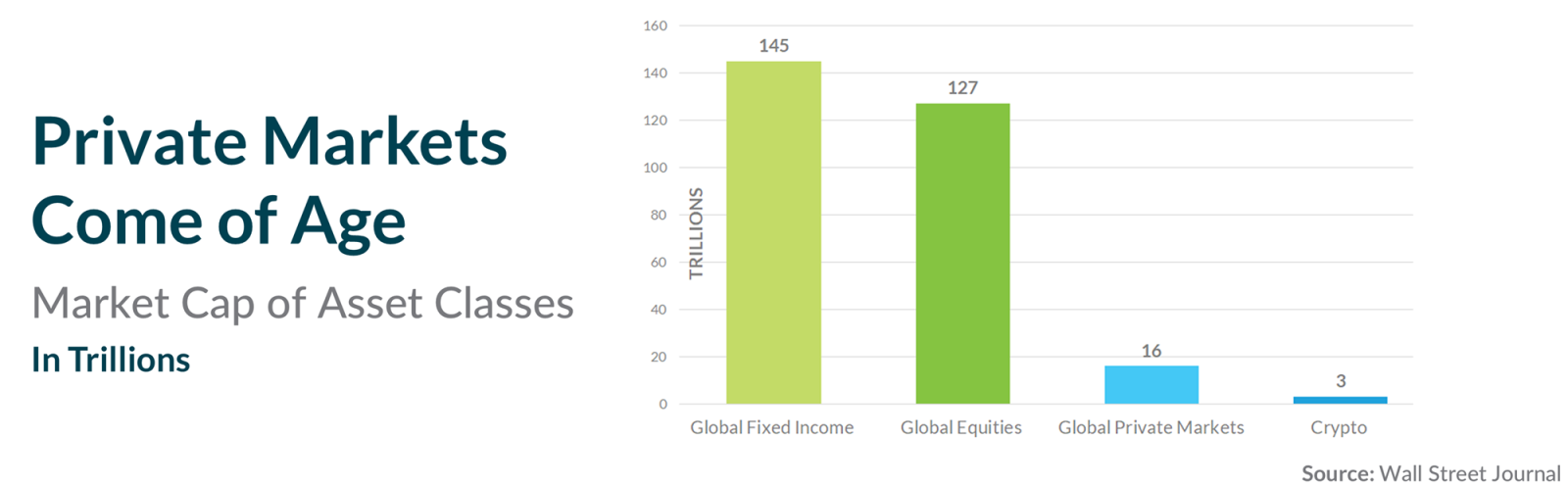
My fourth mega trend is private markets. If you looked only at the headlines, you would think that crypto markets rival the equities markets. But the truth is, there is a much larger market that gets only a small fraction of the attention. And that’s the private markets.
This matters to us because it's growing faster than the public market and the new Administration is looking to open this market up to many Americans. In total, a record $240 billion of volume changed hands in 2025, up nearly 50% on the prior year.
Finally, let me discuss something very important: Happiness.
One of my cousins has the best title I can imagine. She is the Chief Joyologist for Austin-based Tito's Vodka. Tito’s has taken a radical approach to worker satisfaction and productivity by empowering employees to be benevolent and charitable with company resources. Tito’s Chief Joyologist, Amy Lukken, tells the fascinating story of how doing the right thing for society turns out to be good for business, good for worker productivity and a driver of happiness. With the dizzying pace of change and incredible uncertainty in our lives these days, it’s important to recognize the impact we can have when we take a human-centered approach to our work and personal lives.
A few years back, Amy joined me on the MarketVoice podcast. With the pace of change quickening year-over-year, I thought it important to revisit this topic.
Now we are off and running in 2026, and I can tell already it will be an interesting year.
